Signals show the trend.
Samples know why.
Remote patient monitoring (RPM) streams the signals: wearables, sensors, continuous physiological data. Nexus adds the samples: clinical-grade collection, on one platform. This is monitoring and microsampling in one system.
Signals and samples,
one platform.
Remote patient monitoring (RPM) captures continuous physiological signals from the body, heart rate, continuous glucose, temperature, blood pressure, through wearables, sensors and connected devices, organised by proximity to the body. It is the continuous half of a complete remote picture: vital signs and biosignals streaming between visits, so a programme sees the whole trajectory, not just snapshots. On Nexus, remote monitoring shares the same route as microsampling, the signals tell you when something changes; the samples tell you what is happening at the molecular level.
The two run on different infrastructure almost everywhere else. Monitoring needs device attestation, ingestion and provenance; microsampling needs a regulated kit, a chain of custody and an accredited bench. Almost nobody holds both at scale, which is why continuous signal and periodic, laboratory-validated ground truth so rarely end up in the same record.
Three tiers of signal.
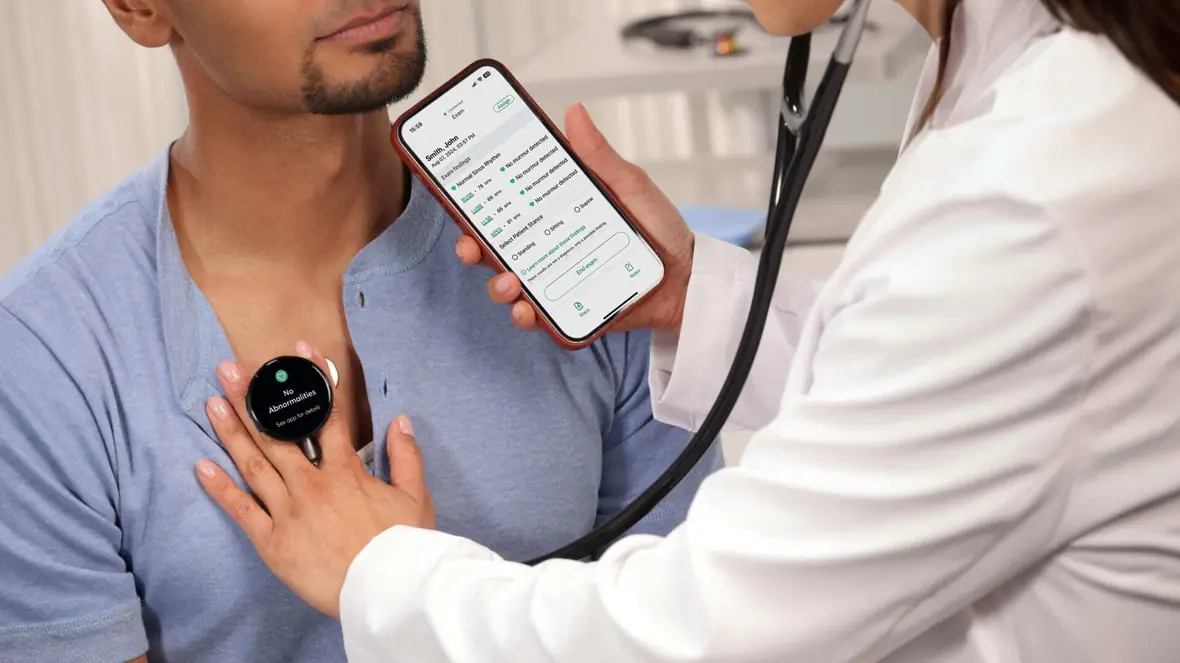
Smart diagnostics
Stethoscope, blood pressure, temperature, scale.

On the body
CGMs, ECG patches, sleep, smart rings.
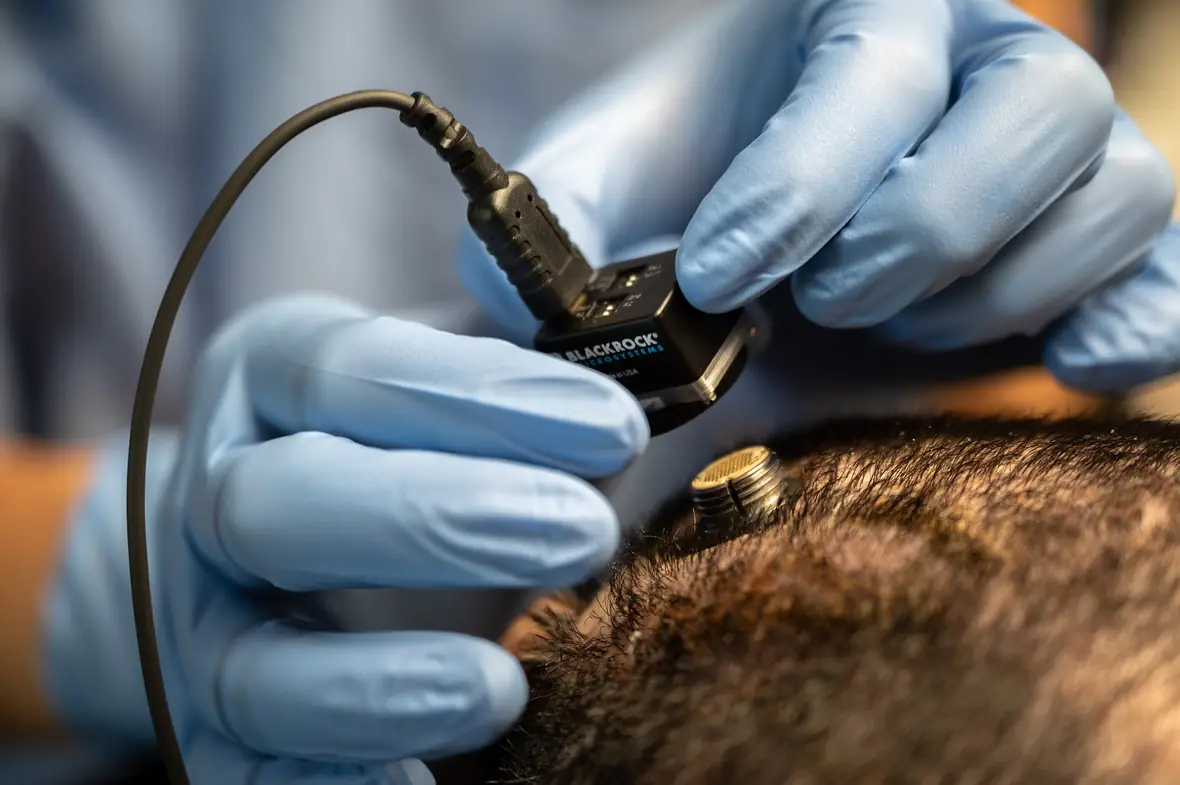
Implantable sensors
Continuous glucose and temperature.
GLP-1 and metabolic care.
The highest-value monitoring programmes, GLP-1 and metabolic care above all, combine continuous signals with scheduled microsampling on one platform: the weight, glucose and adherence trend alongside the molecular markers a waveform can’t measure. Wearables run as channel-partner programmes on the platform, not Humans Nexus hardware.
RPM streams the signals.
Nexus adds the samples.
Continuous monitoring is powerful, but a waveform can't measure a hormone, a drug level or a metabolite. By carrying monitoring and microsampling on one platform, Nexus turns a stream of signals into a complete clinical picture: the trend and the molecule, from the same patient, in the same system.
Whoever follows the patient.
Good to know.
What is remote patient monitoring (RPM)?
Remote patient monitoring (RPM) captures continuous physiological signals from the body, heart rate, continuous glucose, temperature, blood pressure, through wearables, sensors and connected devices, organised by proximity to the body. On Nexus, remote monitoring shares the same route as microsampling.
How does monitoring relate to microsampling?
RPM streams the signals; microsampling adds the samples. The signals tell you when something changes; the samples tell you what is happening at the molecular level. Together they give a complete remote picture.
What devices does monitoring cover?
Contact diagnostics, smart stethoscope, blood pressure, temperature and scale; wearables, CGMs, ECG patches, sleep and smart rings; and in-body sensors, implantable glucose and temperature.
Is monitoring available now?
Yes. Monitoring runs on the same Humans Nexus platform as microsampling, with continuous signals and clinical samples brought into one longitudinal record through Pulse.
Signals and samples, together.
Talk to us about adding monitoring to your microsampling programme.