We are
Microsampling.
Microsampling is the collection of small-volume clinical samples, blood, saliva, stool and urine, in precisely metered quantities, self-collected at home or taken at the point of care and returned to an accredited laboratory under chain of custody. It is a new diagnostics vertical, and we are dedicated to building it: patient-centric sampling done to clinical grade, with one intent, the best experience a person can have giving a sample. For most of medicine the sample has waited on the patient to show up, and one in five adults won’t. We believe it should be the other way around. That is what we give ourselves to.
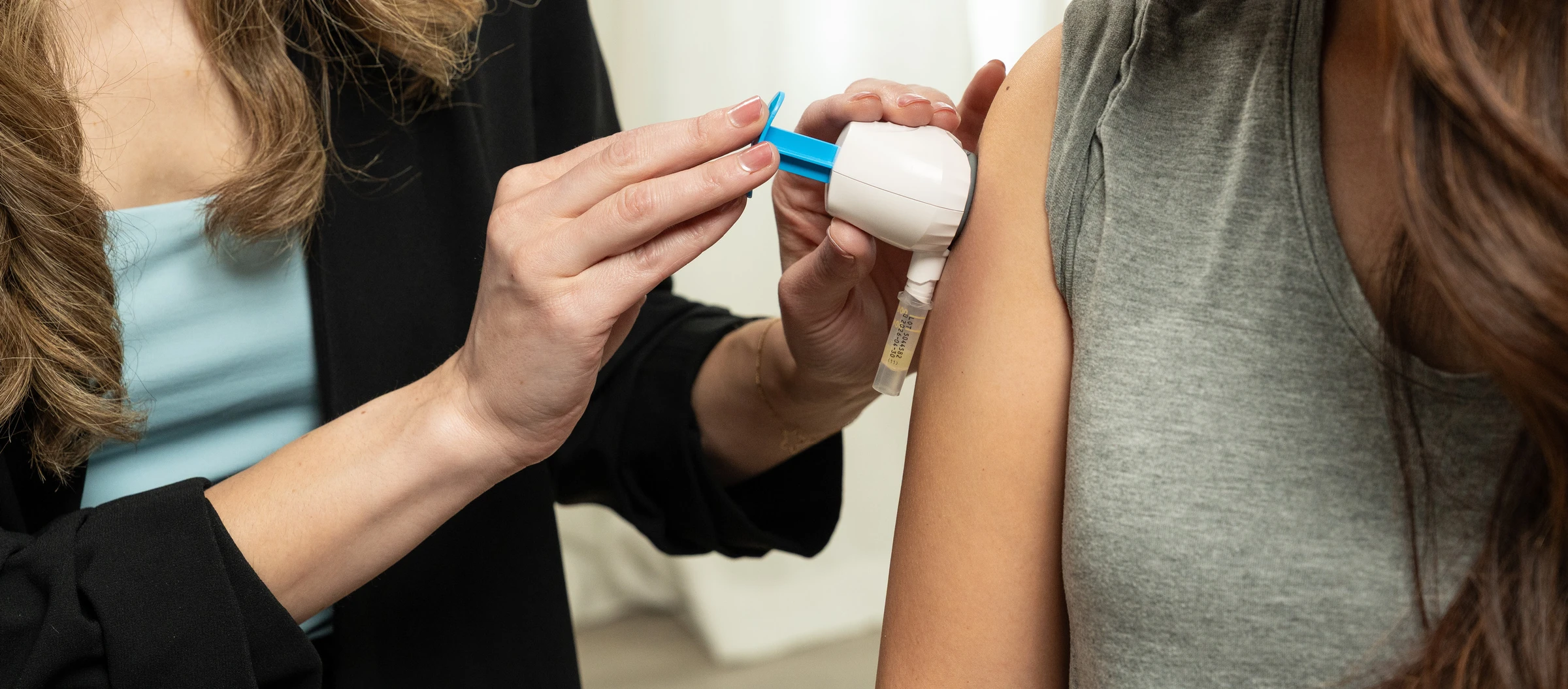
It should feel like nothing.
Guided in real time, collected at home or at the point of care: a clinical-grade sample, wherever collection happens.
Why we give ourselves to this.
Moving collection off the venous draw and the clinic visit changes what a programme can do, and the evidence is published, not theoretical.
What is microsampling?
Microsampling is the collection of clinical samples, blood, stool, urine and saliva, in small, standardised quantities: a finger-prick or upper-arm capillary blood specimen, a defined saliva volume, a defined stool mass, a defined first-void urine fraction. It uses purpose-built collection devices matched to the sample type, and where the assay demands a precise volume the device meters it, as volumetric absorptive microsampling does for dried blood. The industry also calls it patient-centric sampling, remote specimen collection or self-collection; it is the collection layer decentralised diagnostics runs on.
The samples are small and standardised, and, in most formats, stable at room temperature. So the same collection works in two settings. A clinician can take it at the point of care: in a practice, clinic or ward. Or the patient can collect it at home. Either way, the sample returns to an accredited laboratory under documented chain of custody. It replaces the venous draw and the phlebotomist, and, for at-home collection, the clinic visit itself, with a kit, clinical-grade logistics, and software that lands clean, structured results in your systems.
Humans Nexus is the infrastructure that makes it work: one patient-centric platform orchestrating the kit, the logistics, the practice and the ISO 15189-accredited laboratory, built so that the person giving the sample has the best experience a collection can offer. What that means for each kind of programme is on solutions.
How microsampling works.
Five steps, the same for every matrix and either setting.
The programme orders a regulated kit to the patient’s address or the practice’s shelf.
The patient proves identity, records consent and registers the kit in Flow.
Guided step by step in Flow, at home or at the point of care, with devices chosen so that collection feels like nothing; the device meters the sample.
ID-matched, tamper-evident, in the prepaid tracked mailer, ambient where the format allows and controlled-temperature only where the assay requires it.
The ISO 15189-accredited laboratory accessions the sample; structured results return through Pulse and to the patient’s Aigia Vault.
At home, and at the point of care.
Because the sample is small, stabilised and standardised, the same microsampling collection runs in either setting, self-collected by the patient at home or clinician-collected at the point of care, on one platform into the same accredited labs.
It starts with blood.
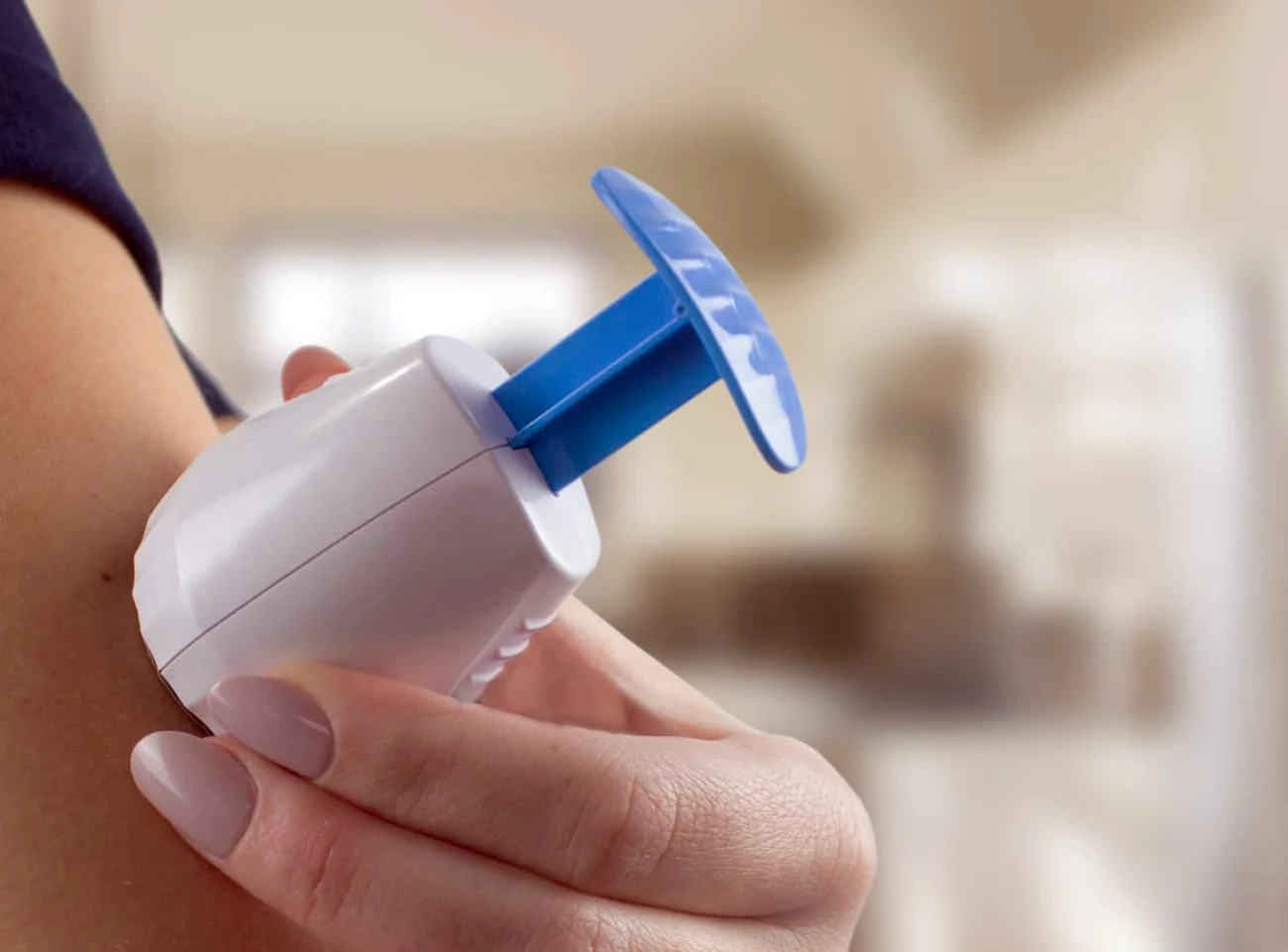
Whole blood, without the venous draw.
We bring the most advanced devices available to draw a clinical-grade capillary sample in minutes, with no venepuncture and no phlebotomist. Three formats, one platform.
Every sample, one platform.
The microsampling model, patient-centric, small-format, platform-orchestrated, applied to every sample type your panel needs.
Samples and signals, one platform.
Kits Cell
A regulated collection kit, built around the right device for the matrix.
Logistics Pulse
DHL-powered returns, documented chain of custody and controlled-temperature transport.
Software Flow & API
Flow’s collection guidance, and one API that lands clean data in your lab system.
What the record shows.
Each figure below belongs to the study that produced it. Where a study used another maker’s device, it is cited for what it proves about the method.
The papers behind every claim on this site are in the research library.
Whoever runs the test.
Infrastructure for healthcare and life sciences. Our partners reach the patient, and we never sell directly.
Good to know.
What is microsampling?
The collection of small-volume clinical samples, blood, saliva, stool and urine, in precisely metered quantities, through patient-centric workflows: self-collected at home, or taken by a clinician at the point of care, and returned to an ISO 15189-accredited laboratory under documented chain of custody. Humans Nexus begins with capillary blood and coordinates saliva, urine and stool on the same platform.
Is microsampling as accurate as a venous draw?
For a validated panel, yes: fingerprick Mitra within 20% of venous for 88% of tacrolimus measurements, capillary lipidomes indistinguishable from venous plasma, and four upper-arm devices agreeing with venous blood alike. Suitability is established per analyte through method validation before any patient-facing result.
Is microsampling clinically validated?
Yes, per drug and per analyte: at-home capillary microsampling carried a registrational programme with fewer than 3% of more than 800 samples unusable, VAMS venetoclax results fell within 20% of plasma in 91% of cases after haematocrit correction, and the IATDMCT guideline defines the validation a laboratory performs before reporting.
Which sample types can be collected remotely?
Capillary blood, in liquid, VAMS and dried-blood-spot formats, plus saliva, urine and stool, all orchestrated on one platform.
How much sample does microsampling take?
Tens of microlitres of blood from a finger-prick, hundreds from the upper arm, a defined saliva volume, a defined stool mass, a defined first-void urine fraction: enough for the validated panel, a fraction of a venous tube.
Does microsampling need a cold chain?
Usually not. Dried and buffered formats ship at ambient temperature by tracked return; liquid capillary blood travels stabilised, with controlled-temperature transport only where the assay requires it.
What makes it clinical-grade rather than a mail-in test?
Documented chain of custody, ID-matched tamper-evident sealing, DHL-tracked returns and controlled-temperature logging from collection through to accessioning.
Who is Humans Nexus for?
Laboratories, pharma and CROs, digital-health companies and insurers. Partners reach the patient; Humans Nexus never sells directly.
Build on microsampling.
Talk to us about putting remote, clinical-grade collection on your platform.